In this lesson, you’ll explore deceptive patterns by type, covering a total of ten different types.
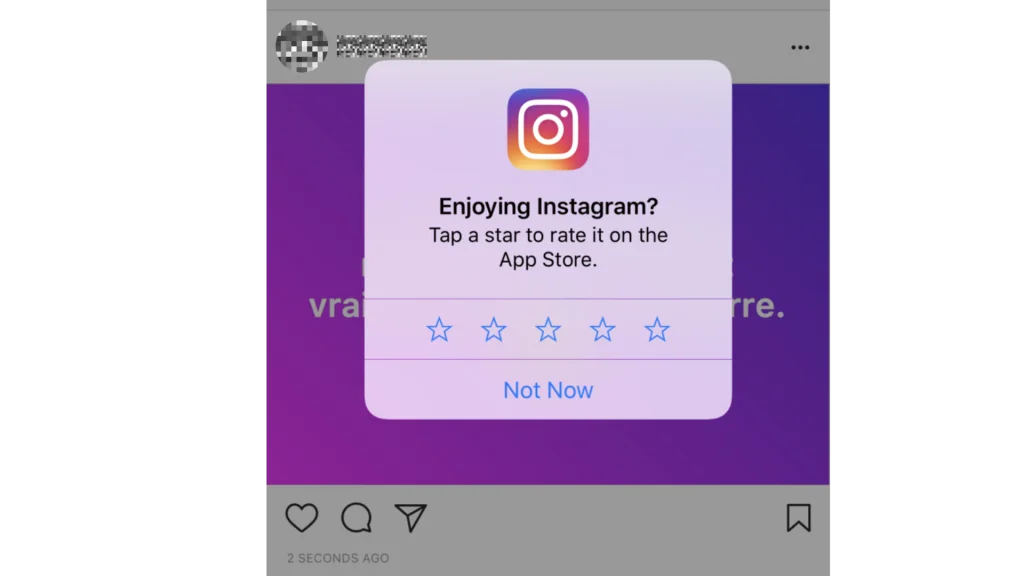
Nagging
Repeatedly asking or prompting a user to take a certain action, often in an annoying or persistent way.
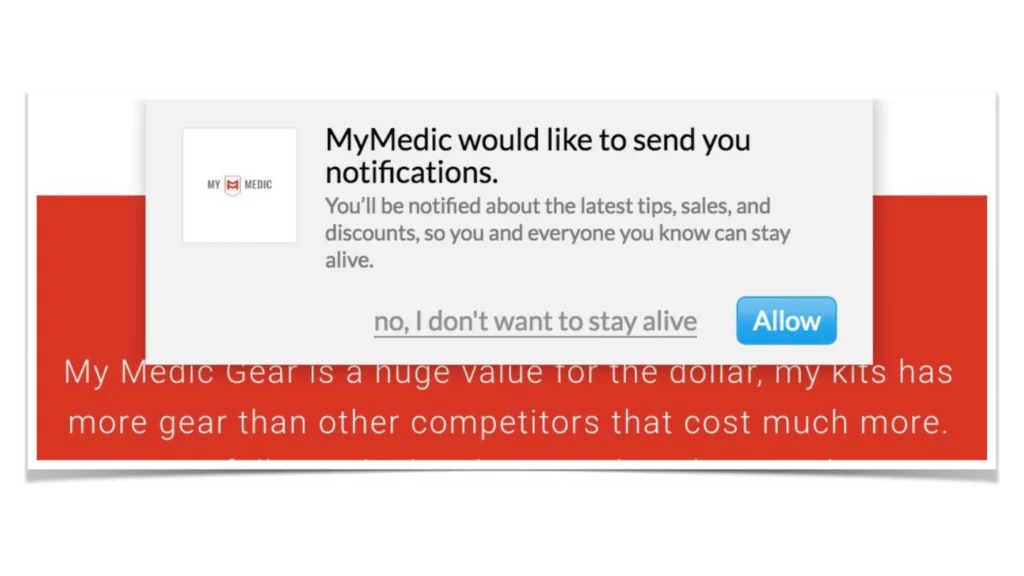
Confirm-shaming
Using guilt-inducing or manipulative language to pressure users into making a certain choice.
Forced Action
Requiring users to take an action they may not want to take, such as creating an account or making a purchase, before being able to access desired content or features.
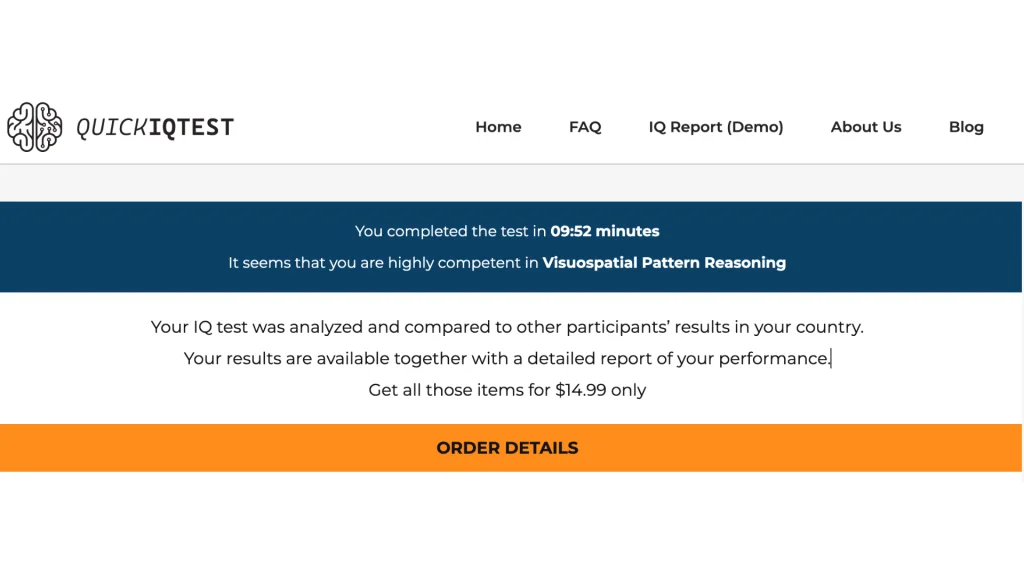
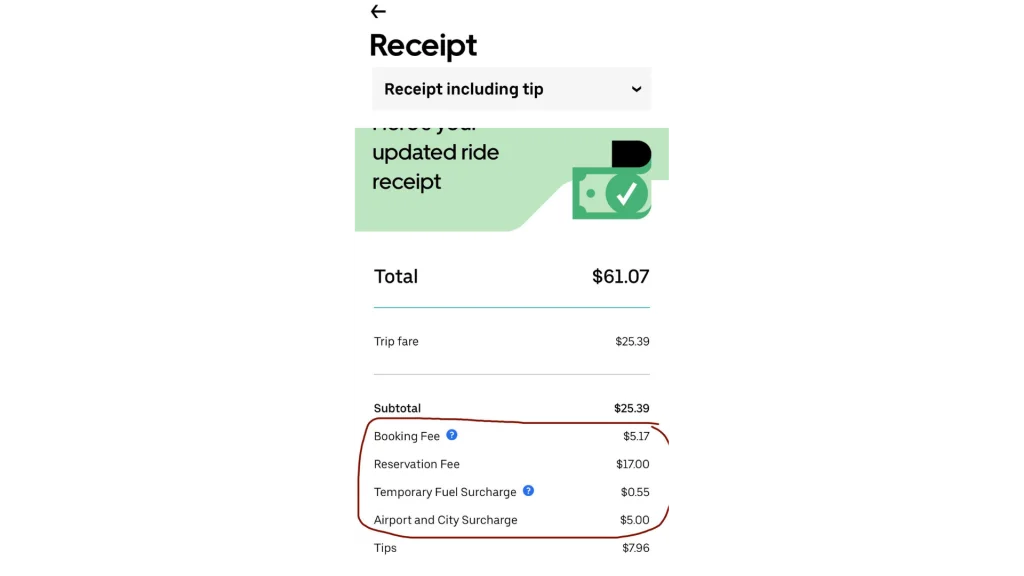
Hidden Costs
Unexpected fees or charges that are not revealed to users until late in the purchasing process or after they have already made a purchase.
Preselection
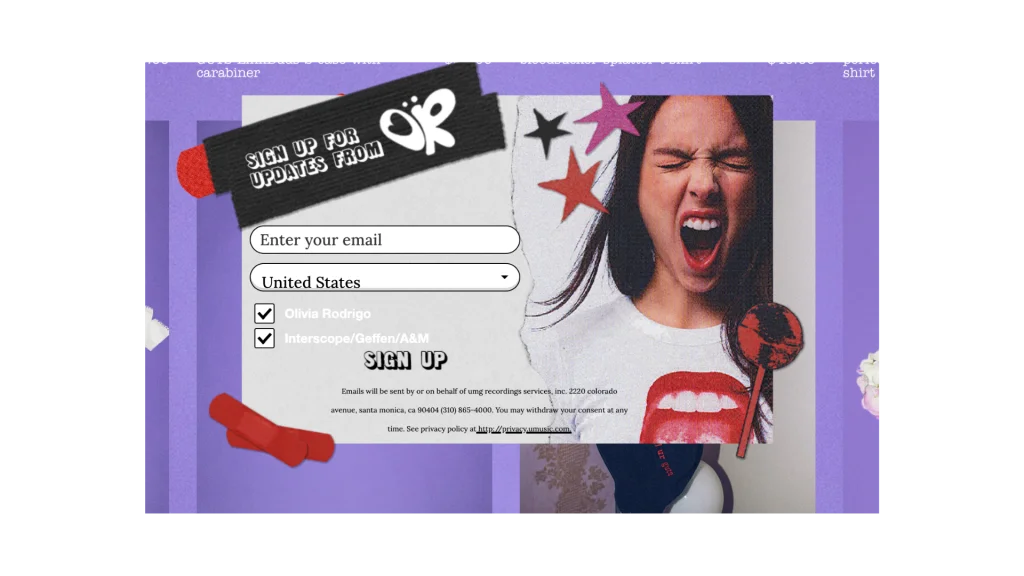
Automatically selecting a certain option or setting by default, potentially leading users to unintentionally choose or pay for something they don’t want.
Roach Motel
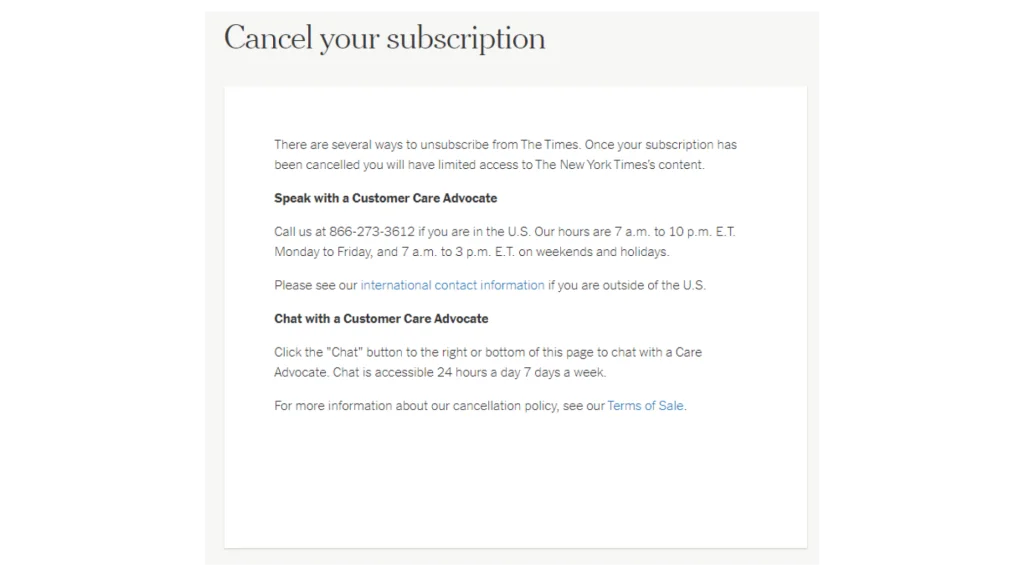
Making it easy for users to get into a certain situation or subscription but difficult for them to get out.
Obstruction
Intentionally making it difficult for users to take a certain action.
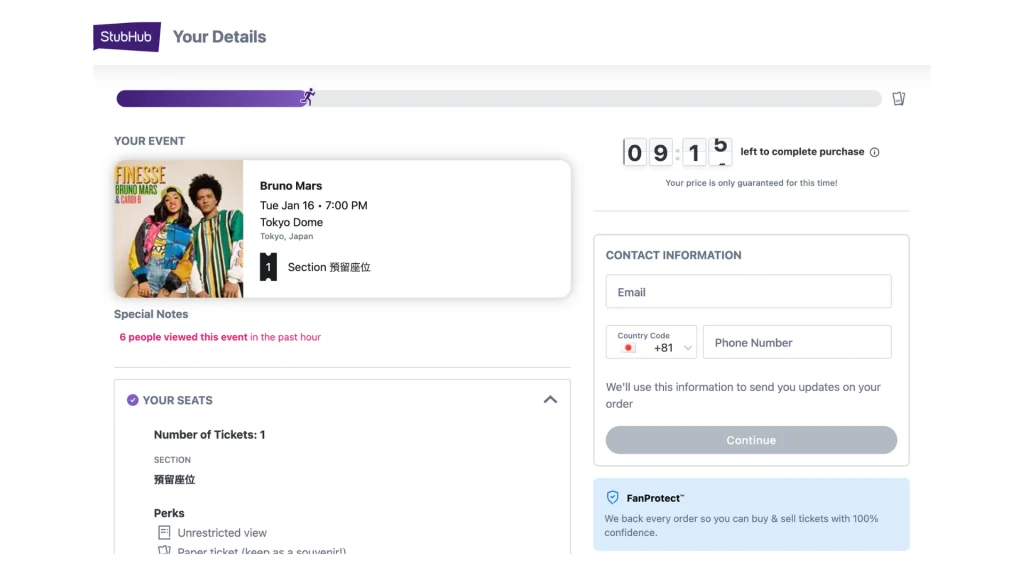
Fake Urgency
Creating a false sense of urgency to pressure users into making a quick decision, often by using limited-time offers or countdown timers.
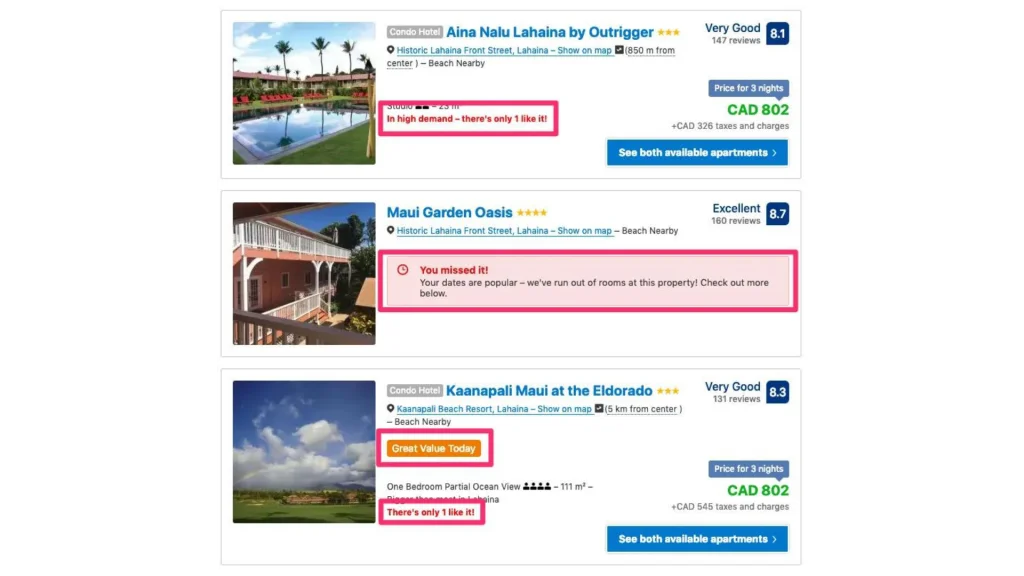
Fake Scarcity
Creating a false sense of scarcity to pressure users into making a quick purchase, often by displaying low stock messages or claiming limited availability.
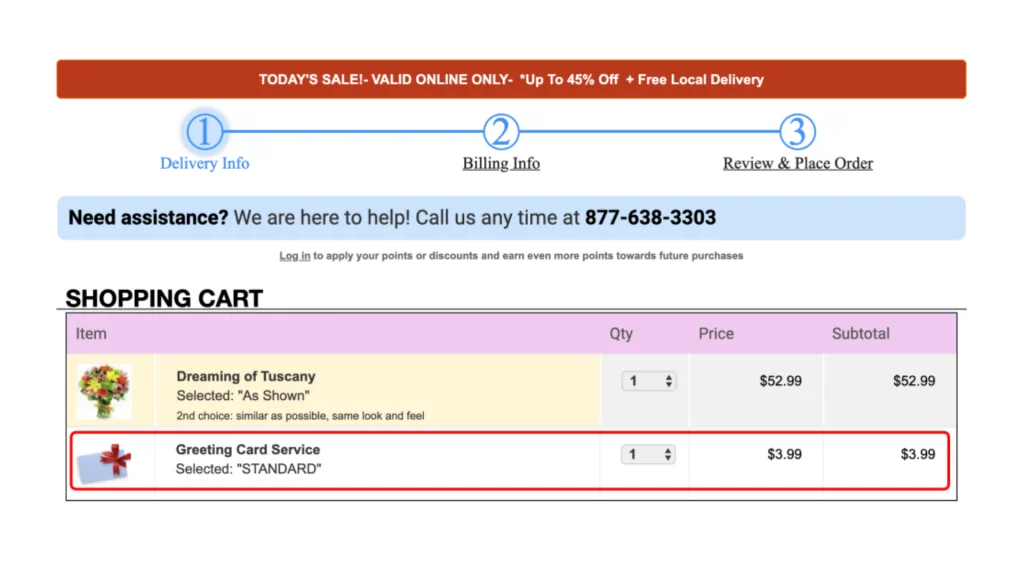
Sneaking
Adding additional items or charges to a user’s cart or order without their knowledge or consent.